Jason LeeMacBook Pro 14 (M4)
Item 38 of 45
The computer stopped being the product
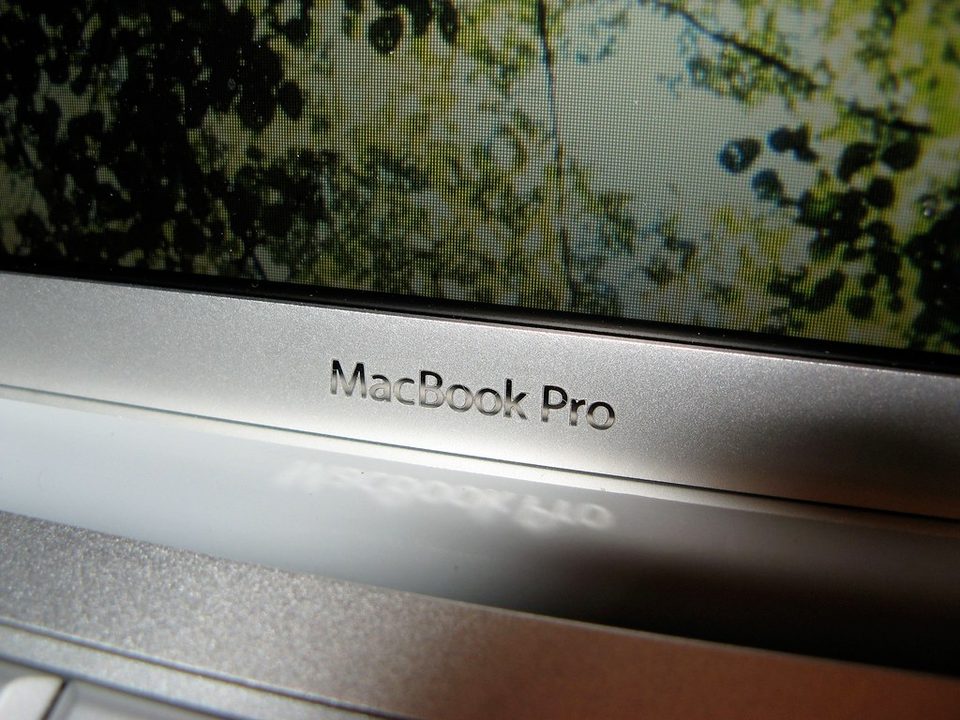
When I left consulting in the fall of 2024 I was issued a checkout interview and a deadline, and the deadline was the laptop. The firm's policy was that equipment returned on the last day, and I spent my final evening there transferring eleven years of my life off a MacBook and onto three drives, while a man from IT hovered with a checklist. What struck me, and it struck me hard enough that I remember the smell of that floor, was how quickly the transfer went. Contacts, instant. Files, instant. The machine itself took eleven minutes to restore to factory condition, and the man had it back in a box before I'd finished signing. Everything I actually needed to keep fit on a small drive, and I left the building carrying more of my working life than the company had stored, in a jacket pocket. The laptop, which had been the most expensive object in my working day, was the part with no residue.
I bought a MacBook Pro 14 with the M4 chip shortly afterward, at $1,599 for the base configuration, and I've been trying to write honestly about it since, because the machine is excellent and the argument it belongs to is not about machines. The scene above is the argument. The hardware stopped being where the value lives, and Apple's pricing structure knows it better than any critic.
The machine is genuinely excellent, which is the setup
Take the review record first, because the verdict there is uncharacteristically unanimous. Andrew Freedman's review for Tom's Hardware in November 2024 made it an Editor's Choice: the M4 is powerful and efficient, battery life runs long enough to work a day plus an evening without the charger, the nano-texture matte display option is, in his phrase, stunning, and the base model finally starts at 16GB of memory, a bump from the 8GB the M3 generation shipped with that reviewers had spent years recording as an embarrassment (the review is here). The 2024 chassis added a third Thunderbolt 4 port and a 12MP webcam with a desk view. Nothing in the notebook industry matches this combination of performance per watt, which is the sentence every honest review arrives at, usually with a sigh about the price.
The price is where unanimity ends. The machine starts at $1,599 and Apple's upgrade arithmetic is, in Freedman's word, absurd: stepping to 24GB of memory costs $400 more, and storage steps climb from there, options that cost a few hundred dollars to build and are priced as if memory were a precious metal. That's the pattern I want to sit with, because it's not the pattern of a company that makes its money on hardware.
The margins moved to the attach
Consider the incentive, because it explains both the excellence and the arithmetic. Apple's services revenue, the App Store, iCloud storage, Music, the subscription stack, has grown for years into a business that generates a larger share of profit per dollar of revenue than hardware does, and the iPhone is the machine that proved the thesis: sell the computer near cost, then collect on the storage, the apps, and the ecosystem. The MacBook is following the same curve. The base configuration is priced close to what the hardware genuinely costs to make, because the entry point is the funnel, and the options are priced as tolls: the RAM and SSD upgrades carry margins that no PC maker would survive publishing, and reviewers note them with the weariness of men who have written the same paragraph for a decade. The nano-texture display costs $250 extra for glass that diffuses light instead of reflecting it, and it's worth it, which is the most expensive kind of worth it. My own configuration carries this review's history: I paid for the upgrades, and the machine I'd have configured at cost would have been priced several hundred lower at any Windows OEM. Apple Intelligence is the newest attach, free for now, and the company's disclosure that its models train partly on user data, opt-out rather than opt-in, is the terms-of-service version of the same funnel. The hardware is the membership card.
I want to be precise about my own incentives here, because they're not clean. I write for a living on this machine, and its excellence is the reason I'm capable of writing this essay at all, which is a conflict of interest I can neither remove nor file. The laptop is the tool this entire series is conducted with. Reviewing a MacBook is a man reviewing the lens he's looking through.
The case for the tolls, made honestly
The counterargument is real and deserves its strongest form. The upgrade prices are only absurd if you deny what the package includes, and the honest comparison isn't RAM price against RAM price. It's total cost of a working life: the M4's efficiency means the machine runs silent and unplugged for 20-plus hours of real work, resale value stays so high that a three-year-old MacBook trades at Windows-flagship prices, support and repair are available in every city I've ever worked in, and the operating system receives security patches for seven or eight years, which is double the update window of most Windows OEMs and is the number that actually matters to anyone keeping a laptop past its first warranty. Apple's margins on silicon upgrades are also the funding mechanism for the foundry capacity that keeps the base chip fast at all; a company earning nothing on options would build the options slower, and the people who buy the $400 RAM would be first to notice. There's a version of this essay, written by a smarter reviewer with cleaner incentives, that argues the tolls are honest pricing of a genuinely integrated product, and I can't fully defeat that version. What I can say is that both things are true: the machine is excellent, and the excellence is the bait. The margin structure only works because it sits on top of a product too good to refuse.
The variable is the services layer
It depends, and the dependency is how deep you intend to live in the attach. A writer or developer who wants a fast, silent, long-lived machine and uses mainstream software: the $1,599 base model is the best laptop made this decade, and I'd hand it to anyone with the budget. A person who expects to keep files in Apple's cloud, buy the storage upgrades, subscribe to the services: the entry price is a down payment on a house whose rent is paid monthly, and the honest comparison is the five-year cost, not the sticker. Watch one variable over the next couple of years: what Apple Intelligence becomes. If the AI layer stays free and optional, the hardware thesis holds and the MacBook remains a machine you can leave. If the best features drift into a subscription or into requiring the newest silicon, the laptop will have completed its conversion from tool into terminal, and the eleven minutes it took to erase my working life will look like the contract working as written. The machine is the best object in this series and the least trustworthy price on it. Both are true, and I typed this paragraph on the bait.