Ryan CobblerStripe
Denny's $1,900 compressor job, and what it cost to get paid online
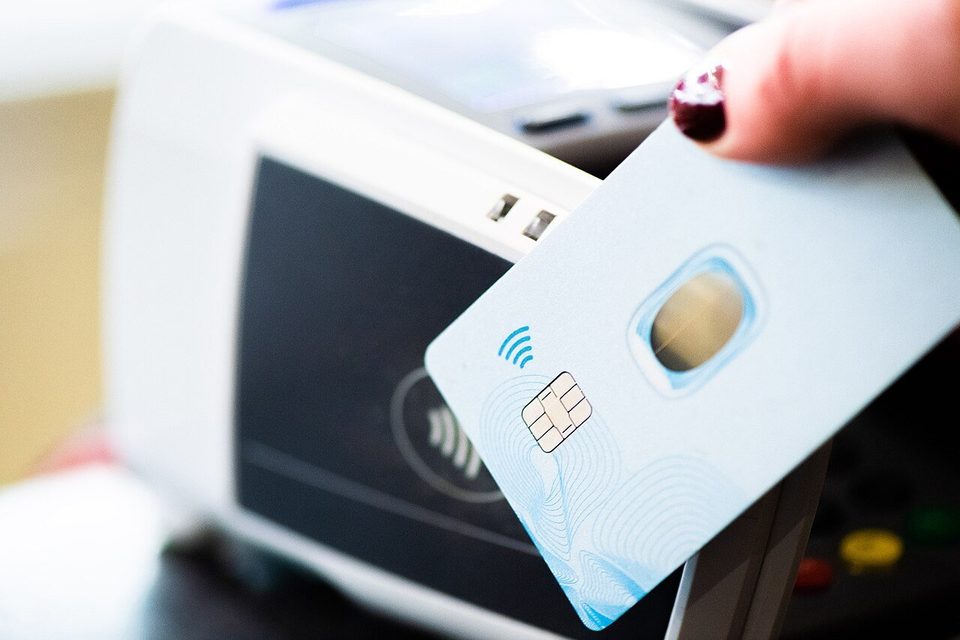
Denny called me on a Tuesday in June with a compressor in the back of his truck. He had just swapped the heat pump at a house out on Elmore Road. $1,900 in parts and labor. The customer didn't want to hand a card over in the driveway. She wanted to pay online that night, the way she pays for everything else.
Denny's setup was a Square reader and a carbon invoice pad. So he wrote the invoice and taped it to her door. The check came nineteen days later. He texted me a photo of the deposit slip like it was a hunting trophy.
Here's the thing. Square is a cash register. It takes a card that's physically in the room. Stripe is a pipe. It lets somebody pay you through a link or an emailed invoice with no reader involved. Different jobs. If you work out of a truck, you already own the first one. This post is the second one.
What Stripe charges
There's no monthly fee. You pay per transaction. Online card charges run 2.9% plus 30 cents, and that covers Visa, Mastercard, Amex, Discover, and the phone wallets. Stripe's own in-person Terminal rate is 2.7% plus 5 cents, but I'm not moving anybody off a working Square reader to chase half a point on a few taps a month.
The numbers that actually matter sit underneath the card rate. A payment link is free to make and costs the standard 2.9% plus 30 cents. A proper emailed invoice goes through Stripe Invoicing, which adds 0.4% per paid invoice, capped at $2. Bank account payments, the thing they call ACH, run 0.7% per transaction with a $5 cap.
Two more numbers before the math. A dispute costs $15 each time, on top of losing the money while the bank sorts it out. And the first payout can lag a week or two while their risk system gets to know you.
The math on Denny's two jobs
The $1,900 compressor paid by card online costs $55.40 in processing. The $2 invoice fee brings it to $57.40. Call it 3% of the ticket. Pay that same invoice by bank transfer instead and it costs $5 plus the $2 fee. Seven dollars. The gap on one job is fifty dollars.
Now the small job. Denny's $150 spring tune-up paid by card costs $4.65 in processing plus 60 cents of invoice fee. $5.25, which is 3.5% of the ticket. The flat 30 cents is the problem there. It's the same charge whether the job is $150 or $1,900. On a small ticket that flat fee pushes your rate up almost a full point. ACH on the same tune-up costs $1.05 plus 60 cents, $1.65 all in.
Here's both jobs on one sheet:
| Denny's two jobs | Card, online | Bank transfer |
|---|---|---|
| $1,900 compressor, processing | $55.40 | $5.00 |
| $1,900 compressor, invoice fee | $2.00 | $2.00 |
| $150 tune-up, processing | $4.65 | $1.05 |
| $150 tune-up, invoice fee | $0.60 | $0.60 |
| Both jobs, all in | $62.65 | $8.65 |
When the extra fee is worth it
Worth it on the big tickets paid by bank transfer. Worth it on invoices that would otherwise ride three weeks in a mailbox. Worth it for out-of-town landlords who never stand in the driveway at all.
Rich, one of my plumbers, put it to me flat: "Why would I pay extra to get my own money?" Fair question. The answer is the nineteen days. He was floating parts and fuel on his own card while checks sat in mailboxes. Seven dollars to get paid in two days instead of three weeks isn't an extra fee. It's rent on the money.
Not worth it on small same-day tickets, cash regulars, or customers who tap your Square reader and leave happy. If nobody ever owes you money overnight, you don't have this problem. Don't buy your way into it.
The fine print nobody puts in the demo
The complaints I've read on Trustpilot mostly come down to one thing. When their risk system blinks, they can freeze your balance. Dispute threads talk about reserves held 90 to 120 days, and their own help center confirms they hold funds to cover disputes. Denny's volume is small and boring. One truck, no subscriptions. One invoice at a time. Boring is what keeps that system asleep. I've billed my own maintenance retainers through Stripe for two years, four clients, about $600 a month. My invoice fees run under three dollars a month and nothing has ever been held.
Think of it as the breaker panel in Denny's shop. The Square reader is one circuit. The payment link is another. ACH is the 240-volt line you run for the heavy loads. Same panel, same meter, and each circuit costs what it costs. Big loads belong on the 240 line. Don't pay card rates on a compressor, and don't buy a 240 line for a tune-up.
What to do Monday
Pull the last three months of jobs over $1,000. Count how many you're still waiting to get paid on. If the answer is more than one, open a Stripe account tonight. It takes about twenty minutes and a bank login. Make one payment link for bank transfer and put it at the bottom of your invoice template. Set ACH as the default and card as the backup, then read the fee line after the first month. Denny's first month came to $9 total and he stopped photographing deposit slips.