Ryan CobblerHomebase
A punch from the couch cost Ray $14.40
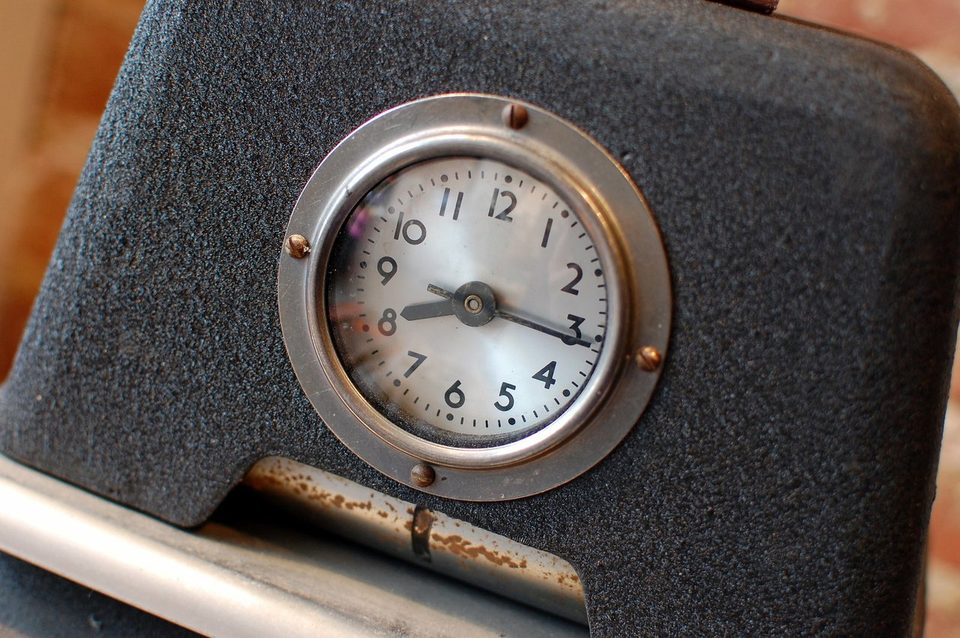
Kayla opened Ray's bowling alley at 11:30 on a Sunday. The app said one of her counter kids had been on the clock since 11:14. She was standing at the front desk alone. The kid was at home, and his thumbs had started his shift without him.
Sunday league starts at one. He punched the Homebase app from his couch and drove over when he felt like it. Seventy-two minutes of phantom time at twelve bucks an hour. $14.40. Kayla called me because she didn't know how to dock it. "How do I fix time the app says he worked?" That one went straight to Ray. He paid the $14.40 under protest, then wrote a house rule on the whiteboard by the ball return.
A time clock has one job, and it isn't counting minutes. It's making minutes hard to argue about. The free plan gives you the clock. The features that make it argument-proof cost money, and nobody tells you that until you're standing in your own lobby at 11:30 with an app that lied.
What the free plan really costs
Homebase's free plan is real, not a demo. One location, up to ten employees, basic scheduling, basic time tracking, team messaging, and a hookup to the register system. No credit card, no trial countdown. Ray's crew is nine people. His bill has been $0 since I set it up in March.
What free does not include is the honesty layer. Geofencing, which refuses a punch from outside the building, sits on the Plus plan at $70 a location per month, or $56 on annual billing. Advanced scheduling with templates is Essentials at $30 a month, $24 annual. Time-off controls ride on Plus. All-in-One runs $120 monthly, $96 annual, and adds onboarding and HR paperwork. Payroll is a separate add-on at $39 a month plus $6 per person paid.
| Homebase plan, one location | Monthly | Billed yearly | What it adds |
|---|---|---|---|
| Basic | $0 | $0 | Schedules, time clock, messaging, up to 10 people |
| Essentials | $30 | $24 | Schedule templates |
| Plus | $70 | $56 | Geofenced punches, time-off controls |
| All-in-One | $120 | $96 | Onboarding and HR paperwork |
| Ray's bill since March | $0 | $0 | A whiteboard rule |
Ray did the math out loud. Geofencing would cost him $840 a year to police a nine-person crew. The house rule costs nothing. Kids punch at the front desk iPad or they don't punch. If a bus runs late, Kayla fixes the time by hand and initials it. That rule has held for five months and the $14.40 has not come back.
The second limit hit in October
The 90-day problem. Free plan timesheet history goes back 90 days and then it's gone. Ray's bookkeeper asked for June's hours while doing quarterly cleanup. June was three months back plus a week. Rolled off. Nobody had exported anything because nobody told us to.
Kayla rebuilt June from bank deposits and a paper schedule she kept out of habit. Four hours of her October, over data the app had swallowed. I felt that one. It was my setup.
There's a cap too. Ten employees, one location, that's the ceiling of free. Ray is at nine. The day he hires ten and eleven, the free ride ends and Essentials starts at $288 a year on annual billing. Two locations and you're paying from day one. The reviews I've read back that up: the complaints cluster around per-location pricing and around cancellation being harder than it should be. One Reddit thread called the cancel process "an absolute scam to try and cancel." I have no reason to doubt it. Nobody at the alley has tried.
The part that earns its zero dollars
The Sunday schedule is why they stay. Every Thursday at 4, the app pushes the week to nine phones. The kids trade shifts inside the app and Kayla approves from the bar. Before March, her Thursday was thirty texts about covers and call-offs. Now it's about four, and the Sunday league sheet is in front of everybody by dinnertime.
That's the trade. You give up the honesty features and the long memory. You get the schedule and the messaging for free, and the argument over minutes moves to a whiteboard where it belongs.
Geofencing is a programmable thermostat. It runs the heat only after the thermometer confirms somebody's actually home. The free plan is the old mercury dial on my old landlord's hallway wall. It heats the house because a hand told it to, and it never once asked where anybody was. Both keep the pipes from freezing. Only one of them knows you left for work.
What to do Monday
If you run a time clock on anything with a history limit, do this tonight. Export the last 90 days of timesheets to a spreadsheet file and put it in a folder named for the quarter. Then set a phone reminder for the first of every month that says one word: export. It takes two minutes and it's the backup the free plan will never do for you. Kayla's reminder fires at 9am on the first. June is the only month the alley ever lost, and it cost four hours to learn that.