Ryan CobblerHousecall Pro (field service software)
Housecall Pro: how a one truck HVAC shop lost the paper tickets
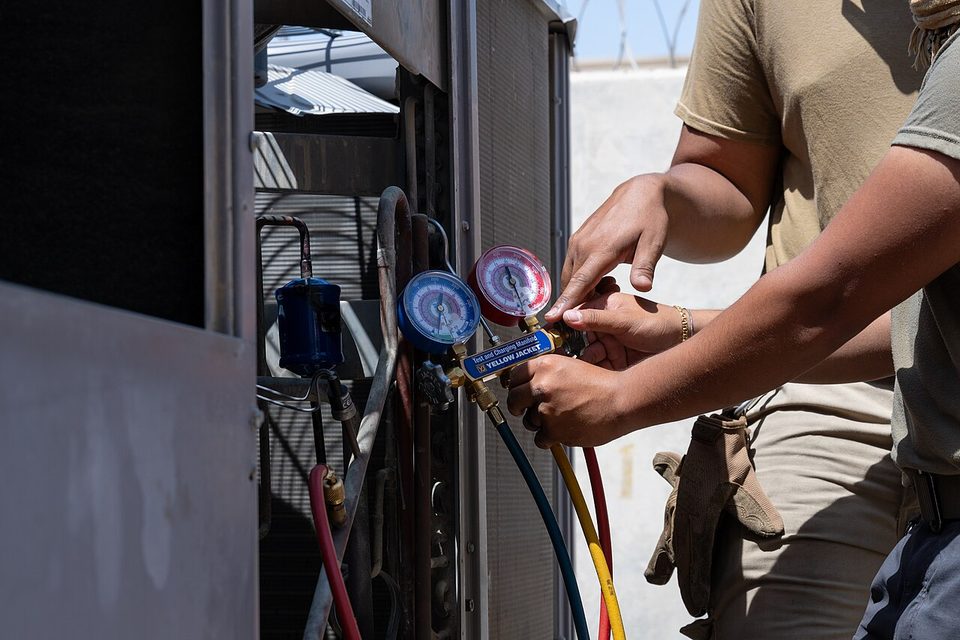
Denny Kowalski's dispatch system was the dash of his van. Paper tickets, carbon copies, one for every job, stuck to the dash with a clip. Denny runs Kowalski Heating and Air, one truck, no office, his wife Dana answering the phone at the kitchen table. The system worked until the day a carbon copy blew off the dash in a parking lot and took a $1,900 compressor job with it.
Here's the thing I told him. A service business runs on two lists, the jobs the customer needs and the jobs the truck can do. When those lists live on paper and in texts, they fight each other every afternoon. Field service software is just a shared board where both lists live and stay matched.
Dana heard me say "shared board" and nodded. Denny said it sounded like something a man with a lanyard would sell him. Fair. So I bought the thing myself, ran it for three months on my own card, and only moved the billing to Kowalski's account after it survived a real summer. I paid $59 a month for three months, $177, to find out if it was garbage. It was not garbage.
What it is and what it costs
Housecall Pro is field service software for the trades. The office creates jobs, the tech sees them on his phone, the customer gets a text, an invoice, and a payment link. Quotes, schedules, invoices, review requests. It replaces the dash.
From their pricing page this month, and I have paid two of these numbers myself.
- Basic: $59 a month billed annually, $79 month to month. One user. Scheduling, invoicing, text notifications, online booking.
- Essentials: $149 a month billed annually, $189 monthly. Five users. Adds routing, flat rate pricing lists, photo reports, QuickBooks sync.
- MAX: custom quote. Eight users included, $35 a month per user after that. Adds the proposal tool and the open API.
- Every plan includes live phone support and the mobile app. Card processing starts at 2.59 percent, and bank payments cost 1 percent. There is a 14 day free trial with no card.
Kowalski runs Basic, one seat, $708 a year billed annually. Dana is the seat. Denny's phone is a free app login, which is how they get around the one user limit. The annual price is the price worth taking. Month to month is a $240 a year penalty for being unsure.
The setup, honest version
Numbered, because doing these out of order is how you end up with two calendars again.
- Imported his customer list from a spreadsheet Dana already kept. Two hundred and change, twenty minutes of typing mistakes included.
- Built five service types with prices. Compressor swap, capacitor, seasonal tune up, thermostat, diagnostic. Five is enough. Do not invent fifteen.
- Turned on online booking and pointed it at his Google profile. Now tune ups book themselves while he is under a house.
- Set the invoice to go out the second the job closes. Payment link attached. That one setting is the reason his receivables shrank.
- Turned on review requests, which text every happy customer a Google link three days later.
Setup was one Saturday and one argument about which service types mattered. The trial did the convincing. Denny ran one real $1,900 compressor job through it the first week, quote to paid invoice, and stopped asking me what the catch was.
What will annoy you
The pricing wall between Basic and Essentials is the thing to price honestly. One user means one person running the schedule. The day Dana hires a dispatcher, you are into Essentials at $149 a month. That is real money against Basic's $59, so price your headcount before you commit to annual either way.
Processing fees are the other gripe, and the industry grumbles about them for good reason. Card processing starts at 2.59 percent and bank payments run 1 percent. On a $1,900 invoice the card fee is about fifty bucks. I tell every shop the same thing. Offer the bank payment option on big invoices and let the customer pick. Denny's customers picked the bank link about half the time.
And read the plan table before you start the trial. The 14 day trial runs on MAX, the plan nobody buys. You will get used to features that vanish when you pick Basic. Look at Basic's feature list on day one, not day twelve.
The thermostat version
A dispatch board is the thermostat of a service business. The thermostat decides when the furnace runs, and the board decides when the truck runs. One of them holds the schedule and everything downstream behaves. When the schedule lives in texts and carbon copies, you are out there relighting the furnace by hand every day. Dana's board does the relighting now. She touches it in the morning and ignores it until something is actually wrong.
What to do Monday
Open the free trial and put tomorrow's first real job in it. Quote, schedule, invoice, payment link, all the way through. If that one job goes end to end without a phone call, price your headcount against Basic and decide on the spot. If it does not go end to end, cancel the trial before day 14 and you are out nothing.