Jason LeeNotion Calendar
Item 09 of 45
The calendar is the last inbox, and Notion bought the good one
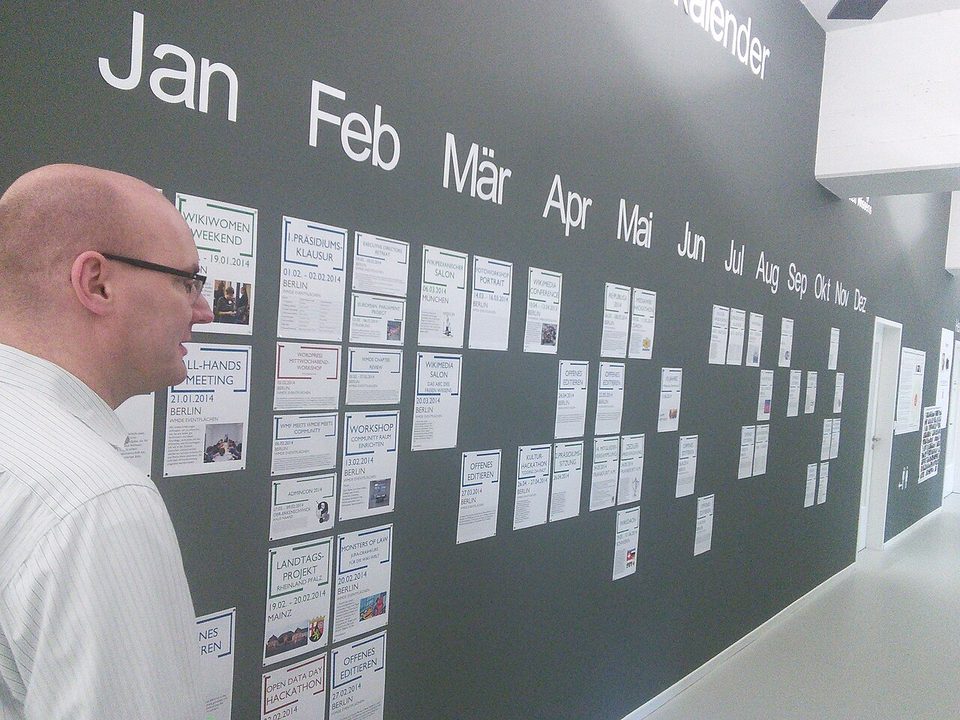
My daughter's school runs its parents' evening the old way, which is to say on paper. Outside each classroom hangs a clipboard with fifteen-minute slots ruled down the page, a pen chained to the clip, and the week's appointments filled in blue ink by whoever arrives first. The system has one failure mode: two families want the same slot. It resolves in the only way it can, a sentence spoken out loud between three people, one of whom owns the room. No app on my phone does this. I thought about that clipboard last week when a source I had chased for a month finally replied, not with a time but with a link, and the link asked me to select from a grid of his remaining availability, and I selected, and within seconds a machine had written to both of us, created the event, attached a video call, and scheduled two reminders nobody had requested. Nothing about the exchange was unpleasant. Something about it was newly weightless, and the weight had gone somewhere.
That clipboard is the argument. Scheduling used to be a negotiation with a person who had authority over a room, and it has quietly become an exchange of availabilities between calendars, logged and witnessed by software. Whoever holds the calendar holds the day. Notion, which already sells the place where the work is described, decided it should also hold the place where the work is committed, and it went about acquiring that position the modern way: it bought the best calendar anyone had built.
Notion bought the best calendar, then gave it away
The product now called Notion Calendar began as Cron, a small San Francisco team whose calendar app developed, in the years before the acquisition, the reputation of a cult object: keyboard-first, fast, precise in a way the incumbent web apps were not. Notion bought the company in June 2022, per Wikipedia's history, and relaunched the app under its own name the following year. The current version is free, which remains the most surprising line in its listing. You get the keyboard shortcuts, one-click video calls on every event, scheduling links that publish your availability, multi-timezone displays for people whose colleagues live elsewhere, and, if you also use Notion, two-way sync that can put database deadlines on the calendar beside your meetings. The 2026 reviews read like the toolnerdy write-up from June: praise for the design and the price, a warning that the Notion database integration is a novelty you will try once. Users add a smaller complaint that no marketing page mentions: you cannot respond to a proposed time from inside the app, which is to say the negotiation itself still has to happen somewhere else.
That last complaint is more than a missing button. It is the boundary of the product, visible from the inside. Cron's heirs solved the display of time beautifully. They did not solve the conversation about time, because the conversation is the part with people in it.
Free is the funnel, and the funnel leads to the seat
Consider the incentive, because a free product from a company that is not a charity is a sentence that wants translating. Notion prices its workspace per seat: a workable free tier, a Plus plan around ten dollars, Business around twenty with the AI layer bundled in. The calendar generates no revenue and is not supposed to. It is the intake valve. Every meeting accepted through a Notion Calendar link is a meeting whose record, notes, and follow-ups now have a natural home in the workspace, and the workspace is where the paying happens. The 2026 Notion pitch is agents and AI meeting notes, software that attends your meetings and files what was said, and the calendar is how the agent knows where your day is. Who benefits if you believe the demo? The demo shows a calm, unified view of your commitments. The bill arrives when the AI that reads those commitments is only in the seats you rent. The calendar was the mouth of the funnel all along, and it was priced accordingly, which is to say not at all.
I want to be careful here, because this is also, and I say this without pleasure, a well-executed version of the move. Plenty of vendors attach a free companion to a paid product and make the companion worse so the paid thing looks better. Notion attached a free companion that is the best product in its category, and the honesty of that still counts for something.
The case against my own suspicion
The strongest counterargument is aimed at people like me, so I will aim it fairly. A free calendar this good is close to unimprovable on its own terms, and the suspicions I just raised are about the future, not the present. No ads have appeared. No dark pattern has surfaced. The Google-only limitation is real, and if your workplace runs on Outlook the product is simply not for you, but Google Calendar's incumbency makes that a small gate for a small fee, which is nothing. The database sync is skippable. For an individual, the transaction is entirely one-sided: you receive a better calendar than the one you were using, and Notion receives the possibility that you might one day work somewhere that pays for seats. That possibility is the entire cost, and possibilities are the cheapest things anyone has ever asked you to carry. Both things are true. The best free calendar on the market is also the intake valve of a paid workspace, and the second fact does not make the first one dishonest.
It depends, then, on what your calendar is for. If it is a coordination surface, where the day's shape is exchanged among people, Notion Calendar is the best instrument available at any price, and the price is nothing. If it is a negotiation surface, where the hard conversations happen, the tool ends precisely where those begin, in the web app and the email thread, which is where they were before.
The variable worth watching is whether AI meeting notes arrive through the calendar as a free feature or a paid one. The day Notion charges for the notes of meetings its calendar hosted, the funnel becomes visible to everyone standing in it. The clipboard is still in the hallway. The pen is still chained to it, and nobody has worked out how to bill for a slot in blue ink.