Ryan CobblerYodeck
Yodeck put the league standings on the TV over Ray's bar
The TV over the bar at Riverside Lanes played a cable fishing show to nobody. Sixteen lanes, a bar, league night every Wednesday, and the one screen in the building people actually face was showing somebody else's ads. Ray was paying a cable bill for it. I asked him what would happen if we turned it off, and he thought about that longer than he thinks about league trophies.
So here's the thing. That TV was already hanging exactly where Ray wants eyes, pointed at people already holding a beer and waiting for their frame. It didn't need more channels. It needed Ray's own signs on it. I put Yodeck on it, and now it rotates Kayla's league standings, the Wednesday pitcher special, and the birthday party package. Ray changes a slide from his phone.
What it costs
Yodeck's free plan is one screen, forever, no credit card. That covers the TV over Ray's bar. Everything past one screen bills per screen, per month, cheapest when you pay yearly.
- Free: one screen, basic features, $0. The bar TV has run on this since spring.
- Basic, $8 a screen a month billed annually. Includes a free player box with the plan. The second screen over the shoe counter runs on this.
- Premium, $12 a screen, for a stronger player and fancier web page widgets.
- Enterprise, $16, which is for people with forty screens, not two.
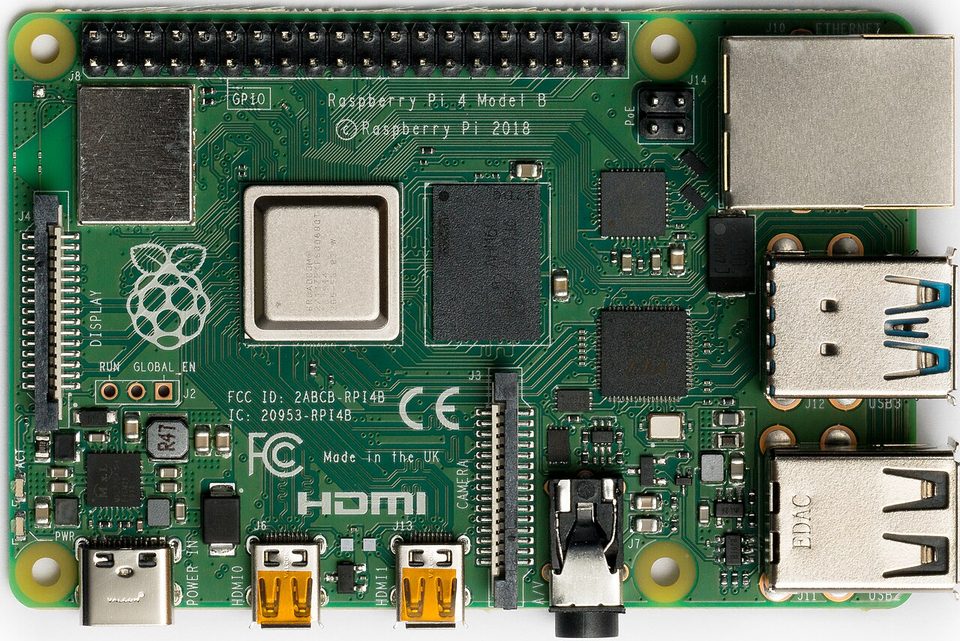
The shoe counter screen costs me $96 a year on my card, and Ray squares up like he does for the website. The annual plan throws in the player free. It's a small computer the size of a card deck, it plugs into the TV's HDMI port, and there's a whole review of that kind of little machine elsewhere on this site. Mine has worked since the day I hung it.
One wrinkle worth knowing. The free plan only covers an account holding exactly one screen. Add a second and they want both screens paid. So the bar TV and the shoe counter live in two accounts, one free and one paid. Two logins. I can live with two logins for $96 a year, but you should know that's why it isn't one tidy dashboard.
What went on the screens
- League standings. Kayla updates them from her phone, same as she's done on the website since the day I built it. By the third week of the season, guys were reading the standings over the bar instead of walking to the front desk.
- The Wednesday pitcher special, which Ray says league captains ask him about every single year. It shows on Wednesdays and disappears the rest of the week, on a schedule I set once.
- The birthday party package, which used to live on a laminated sheet by the register. Now the screen brings it up every hour, and nobody has to remember to remember it.
- A photo slide from the kids' league on Thursdays, because Kayla threw it together in ten minutes and Ray liked it more than he admitted.
Building a slide takes about as long as typing a text message. They have templates that look fine out of the box, and there's a Canva connection if you want to get fancy. Ray hasn't gotten fancy. He types PITCHER SPECIAL WED 8PM and hits save, and the TV changes within a minute. "You mean I can do that from the truck?" he asked. You can do it from the truck.
The marquee version
You know the changeable letter sign out front of a bowling alley. Plastic track, a box of letters, and every message costs a trip up a ladder in November wind. This is that sign without the ladder. The letters live on the TV, the message changes from a phone, and nobody freezes. Screens you already own, signs you already write, minus the ladder.
What will annoy you
They raised prices in April, a dollar a screen on the two bigger plans. Basic stayed at $8, which is the only reason my bill didn't move. But it's a reminder that the meter runs forever. Ten screens would run $960 a year, every year, and the TV doesn't get cheaper in year three. A competitor's comparison chart makes a loud point about Yodeck's per-screen rate being above the cheapest rivals, and competitors lie with charts, but the per-screen math is real, so run your own numbers before you commit to a dozen screens.
The free plan is also basic-basic. Fine for one screen of slides, which is all the bar TV does. If you want web pages, kiosks, or deep scheduling, you're on a paid plan.
And the screen needs an HDMI port and wifi that reaches the bar. Riverside has both. If the TV on your wall only gets cable, that's a conversation with whoever hung it, and it's a shorter conversation than you'd think.
What to do Monday
Walk into your own business and find the screen your customers already stare at. If it's playing somebody else's ads, you're giving away your best wall. Sign up for the free plan on your phone, put one of your own messages on that screen, and see whether anybody mentions it by Friday. The TV is already on the wall.